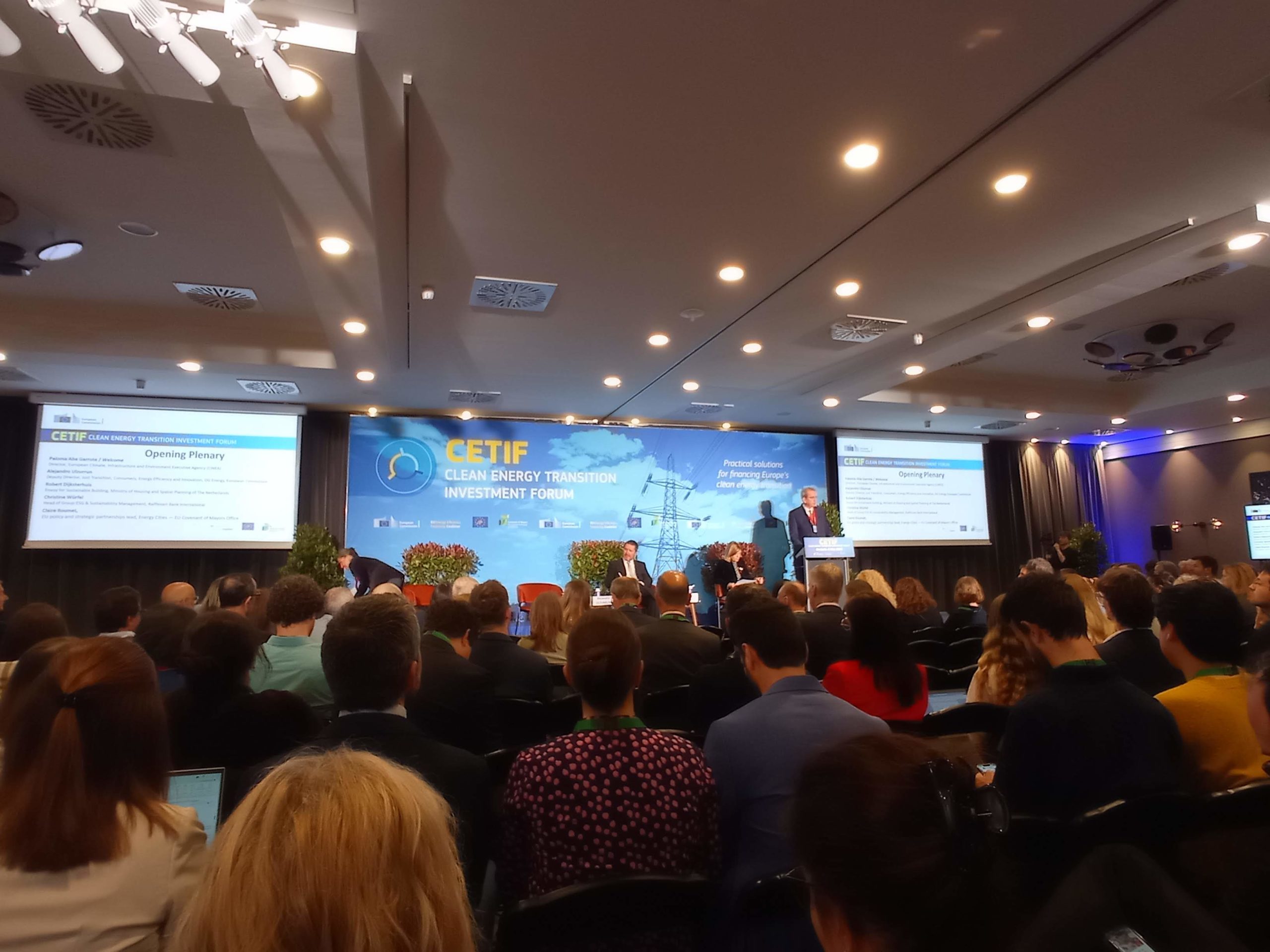
The GASLESS project took part in the 13th International Conference on Improving Energy Efficiency in Commercial Buildings and Smart Communities (IEECB&SC’26), held on March 11–12 in Frankfurt as part of the international trade fair Light + Building 2026, one of Europe’s leading events dedicated to technological innovation, building energy efficiency, and the development of smart energy communities.
The conference brought together researchers, institutions, energy sector operators, and industry representatives to discuss advanced solutions for the energy transition in the building sector. Topics addressed included optimizing energy consumption in commercial buildings, integrating renewable energy sources and smart control systems, data- and artificial intelligence–based energy management models, and strategies for developing positive energy districts and energy communities. Particular attention was also given to financial instruments and business models capable of accelerating investments in energy efficiency, such as Energy Performance Contracting (EPC) and the role of Energy Service Companies (ESCOs).
Within this context, the Piedmont Region presented a contribution titled “Energy Performance Contracting as a Driver for Climate-Neutral Renovation: Lessons from Piemonte,” illustrating the experience gained through the GASLESS project in promoting the energy renovation of the public building stock. The project aims to facilitate the implementation of energy efficiency measures through EPC models by offering local authorities an integrated technical assistance service that supports the technical, financial, and administrative aspects of the process.
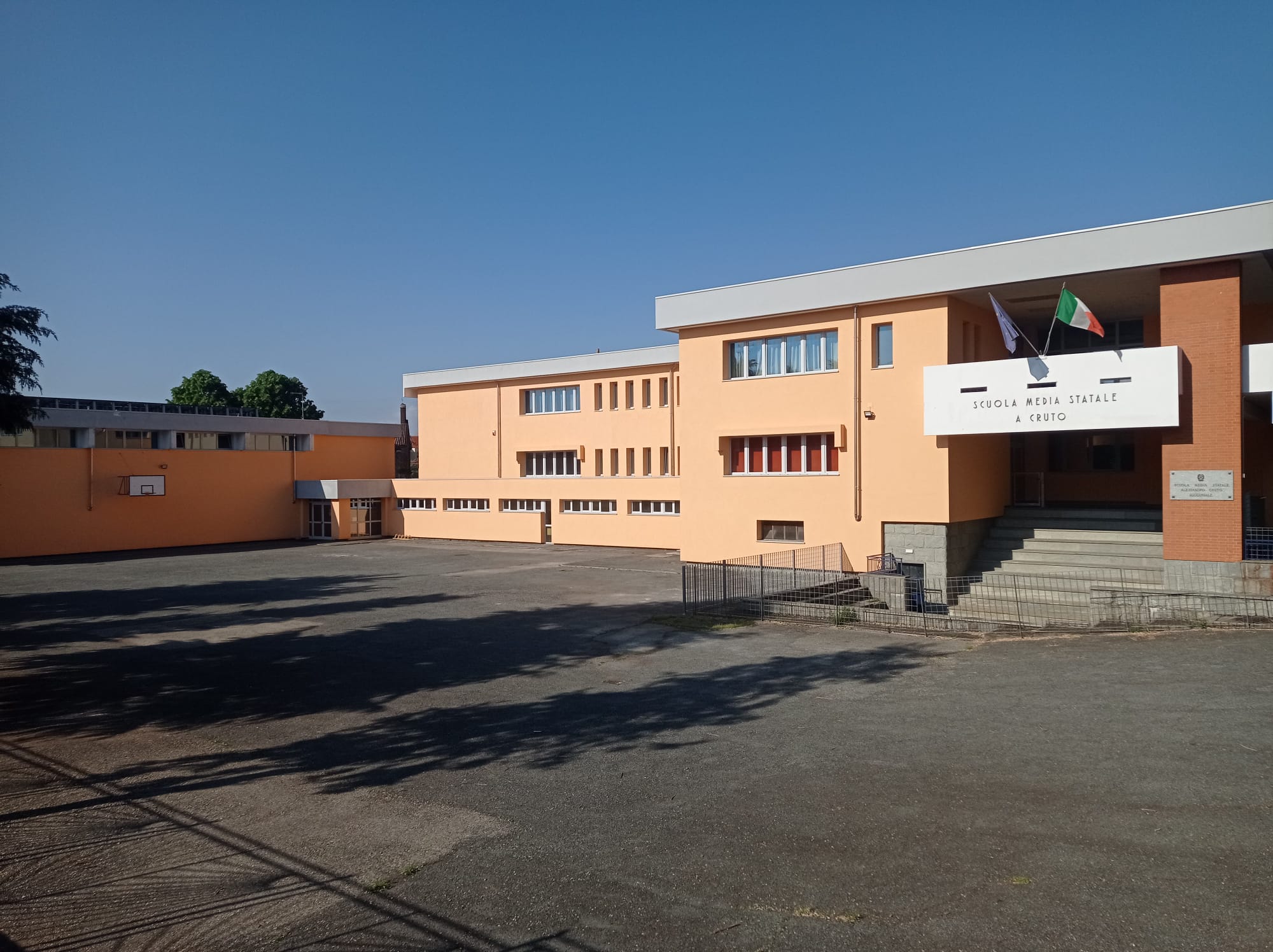
Among the initiative’s main objectives are the aggregation of demand for interventions on public buildings, the standardization of support procedures, and the creation of favorable conditions to attract private investment in the energy efficiency sector. The first results of the project include several interventions on public buildings in Piedmont, with total investments amounting to several million euros and significant expected energy savings thanks to improvements to building envelopes, heating systems, and the integration of photovoltaic installations.
Participation in the conference represented an important opportunity to share the Piedmont experience at the international level and to exchange views with other European initiatives engaged in developing innovative models for energy efficiency and building decarbonization. In this context, the GASLESS project contributes to the dissemination of replicable approaches to support the energy transition of public assets and to promote more sustainable and energy-efficient urban communities.