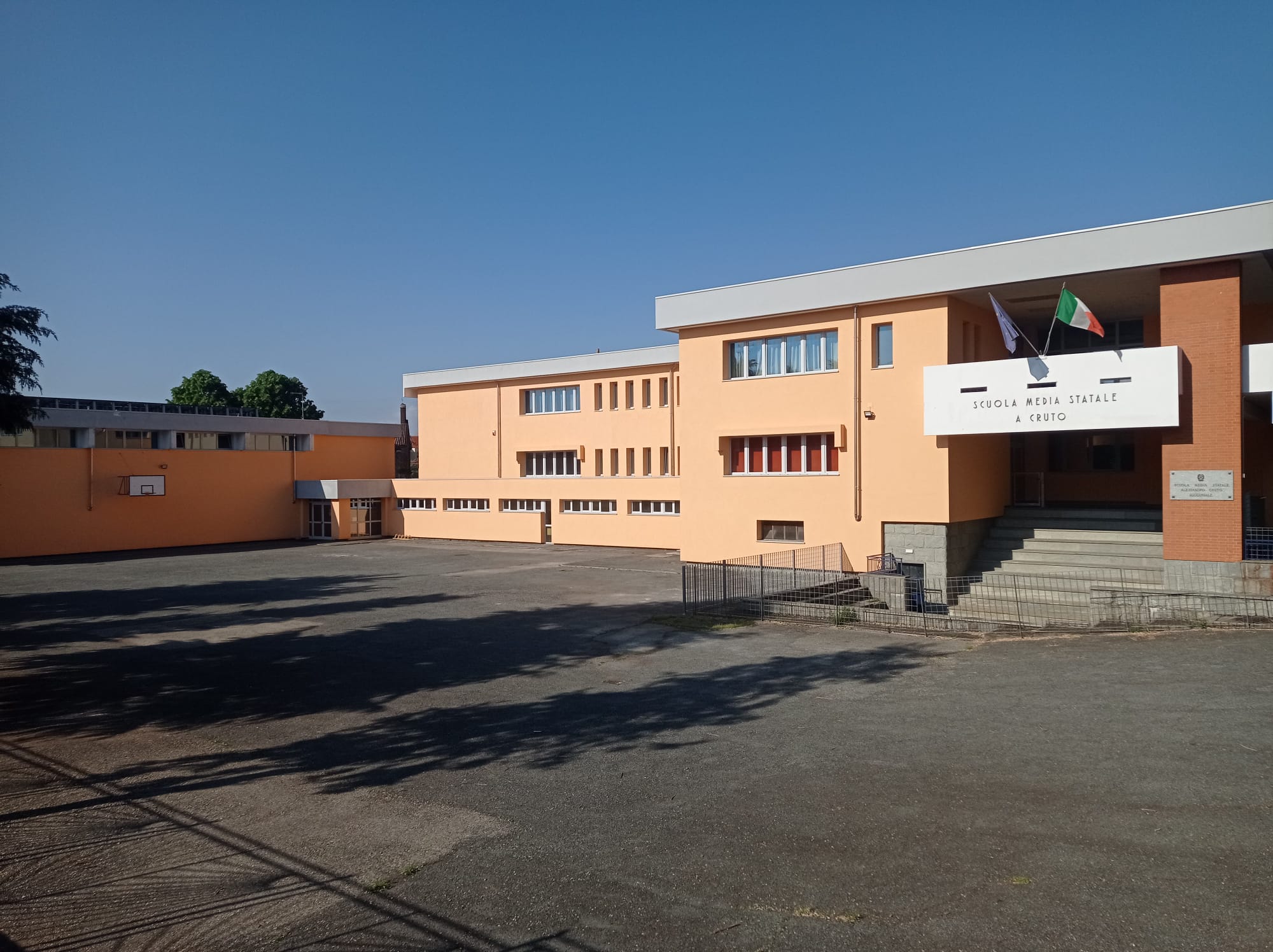
In the Municipality of Piossasco, energy retrofitting works on three school buildings have now been completed, representing a concrete example of energy transition applied to public assets. The initiative is inserted in the European project GASLESS, with the coordination of the Piedmont Region, technical support from Environment Park, Prisma, and SCR Piemonte.
The interventions concern the Cruto secondary school and the Morandi and Ungaretti primary schools. All three buildings underwent integrated upgrades to both the building envelope and systems, including:
- installation of external thermal insulation systems
- insulation of attic spaces
- replacement of windows and doors
- installation of photovoltaic systems with a total capacity of about 80 kWp.
A coordinated set of actions that will significantly improve energy performance and the comfort of school environment.
Particularly noteworthy is the contractual model adopted: the works were carried out through an Energy Performance Contract (EPC), awarded to the ESCO Aura Energy. This innovative approach shifts the focus from simply completing the works to achieving measurable results in terms of performance and impact. In this case, the interventions will ensure thermal energy savings of over 60% and a reduction in grid electricity consumption thanks to self-consumption from renewable sources exceeding 50%.
The role of the Piedmont Region proved to be central, not only in institutional coordination, but also in facilitating access to technical expertise and operational tools, supporting the municipality throughout all project phases—from planning and tendering to implementation.
The contribution of Environment Park, Prisma, and SCR Piemonte ensured qualified support, which was essential in addressing the technical and administrative complexity of the interventions.
GASLESS project thus confirms its role as an accelerator for the energy renovation of public buildings, promoting replicable and sustainable solutions capable of generating tangible benefits for local administrations and citizens. In addition to reducing energy consumption and emissions, the interventions also help improve the quality of educational spaces, making them more comfortable and healthier for students and school staff.