On 5 and 6 May 2026, the GASLESS project took part in two important European events in Brussels dedicated to supporting the clean energy transition and accelerating energy efficiency investments in public buildings.
Participation in the CINEA Contractors’ Networking Meeting
On 5 May, GASLESS participated in the CINEA Contractors’ Networking Meeting, which gathered European projects working to support local and regional authorities in the Clean Energy Transition, as well as initiatives focused on accelerating the renovation of public buildings.
The meeting represented an important opportunity for networking and peer exchange among projects facing similar challenges and developing complementary solutions. Discussions focused on implementation experiences, technical and financial barriers, stakeholder engagement, and strategies to strengthen the impact of European initiatives at local level.
For the GASLESS project, these exchanges are particularly valuable. Sharing methodologies, lessons learned, and practical approaches contributes to improving the effectiveness of ongoing activities while fostering future collaborations and replication opportunities across different territories.
GASLESS Selected as a Best Practice at CETIF 2026
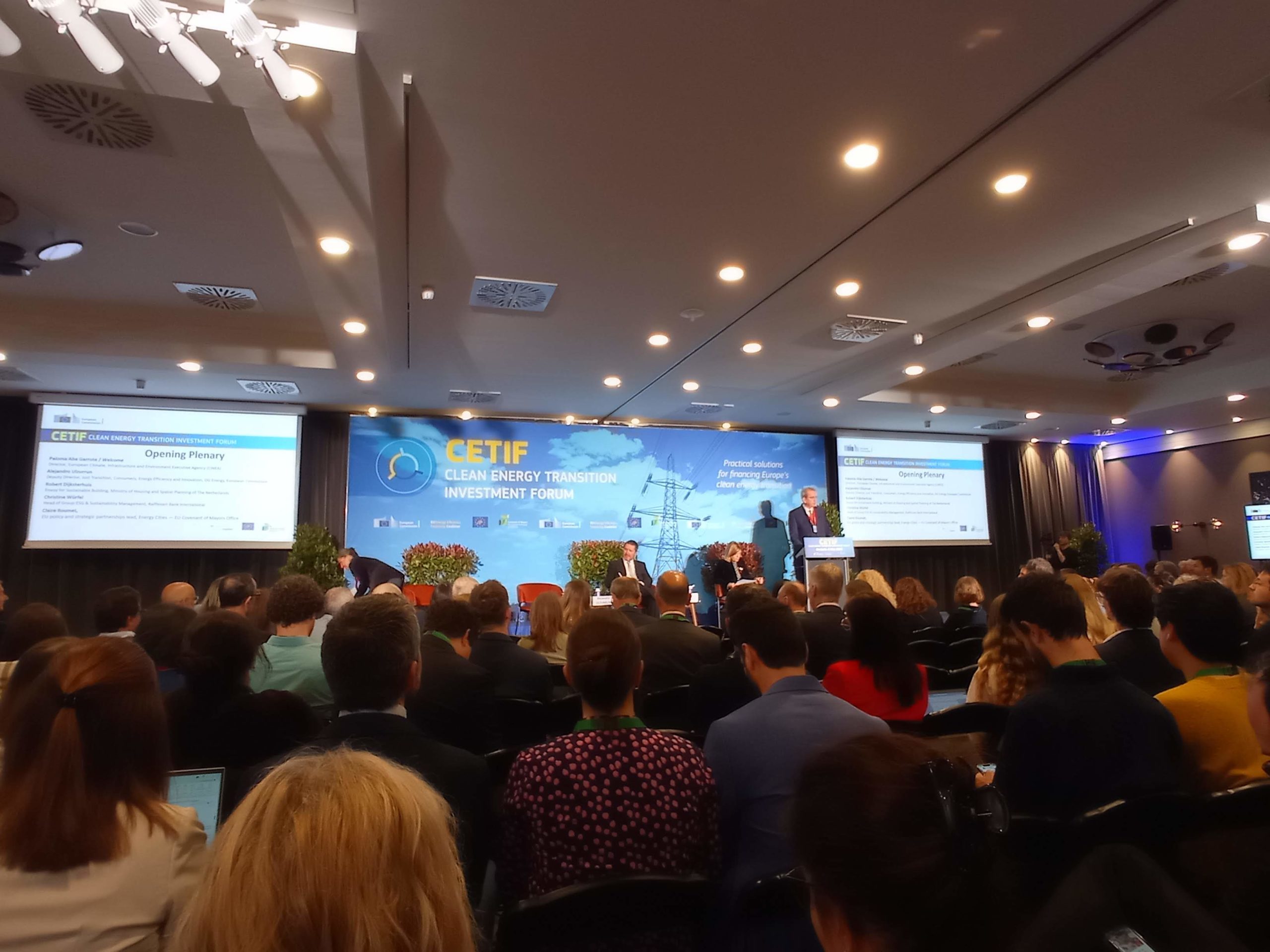
On 6 May, GASLESS also participated in the Clean Energy Transition Investment Forum 2026 (CETIF 2026), organised in collaboration with the European Energy Efficiency Financing Coalition and the EU Covenant of Mayors.
The forum brought together practitioners, public authorities, businesses, and financial actors to discuss practical solutions for financing Europe’s clean energy transition, with a strong focus on real projects, operational experiences, and actionable follow-up.
Within this framework, GASLESS received significant recognition as it was selected and presented as a best practice in the strand dedicated to facilitation structures and one-stop shops. The project’s participation highlighted the relevance of integrated support models in helping municipalities overcome technical, financial, and organisational barriers related to energy efficiency investments.
The GASLESS Approach
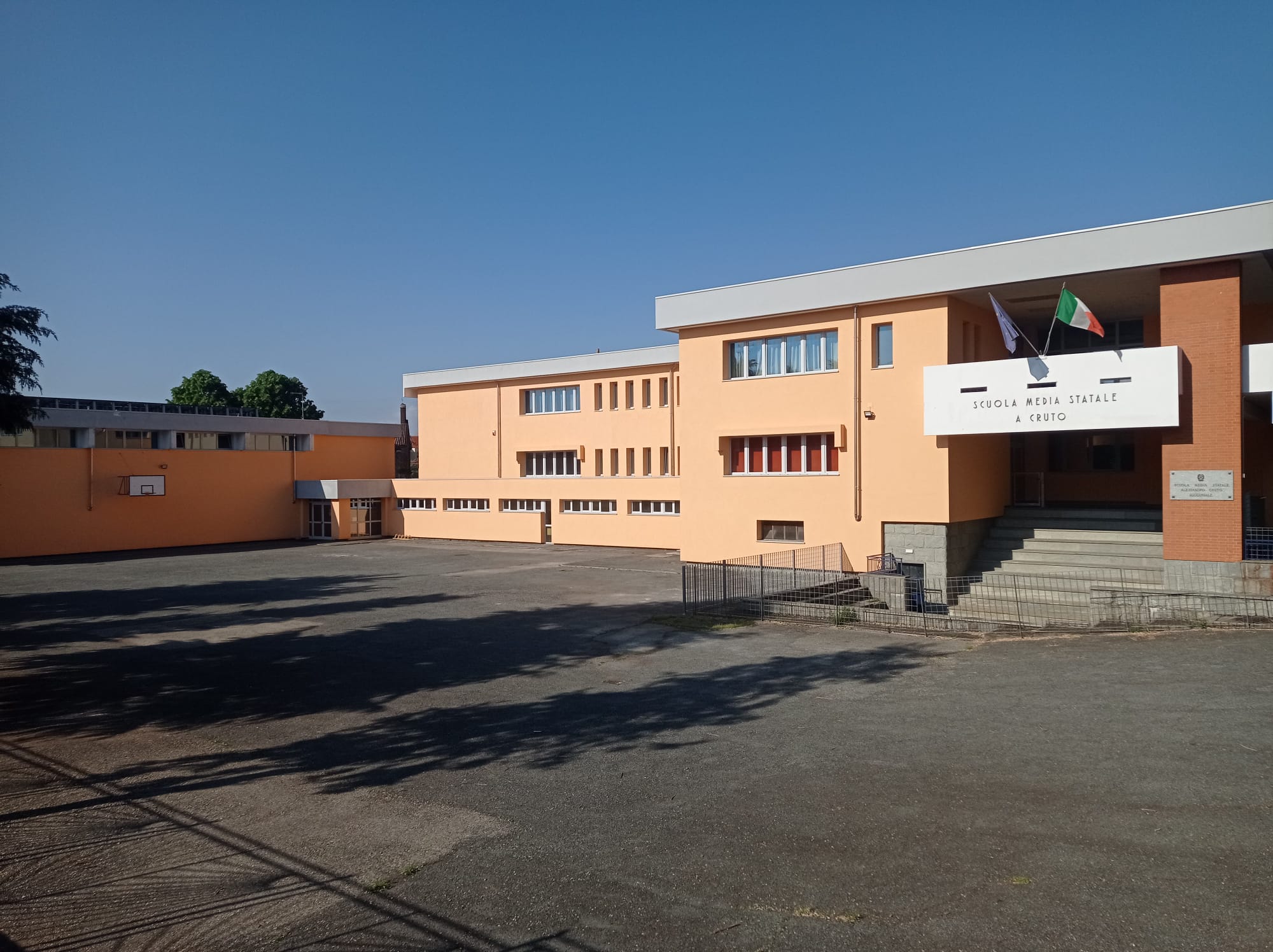
The GASLESS project promotes demand aggregation to develop a consolidated portfolio of energy efficiency investments in public buildings. The initiative provides integrated technical, financial, and legal assistance at no cost to municipalities and public entities in Piedmont, supporting local authorities throughout the development and implementation process.
A key strength of the project lies in the standardization of the support process, which enables its replication over time. As the methodology is applied across multiple municipalities, knowledge gaps are progressively reduced, and lessons learned contribute to improving the effectiveness and efficiency of subsequent interventions.
At the same time, the human factor remains central to the project’s success. Each municipality presents specific characteristics, priorities, and stakeholders, making clear communication, trust-building, and tailored support essential elements for successful implementation.
Participation in both events confirmed the importance of collaboration, networking, and continuous knowledge exchange among European initiatives working toward a more sustainable, energy-efficient, and resilient public sector.